
Journalism is more than just reporting the news – it plays an important role in society that informs the public, holds power accountable, and tells the stories that shape our world. From uncovering hidden truths to providing in-depth analyses and human-interest stories, journalists play a crucial role in maintaining transparency, fostering understanding, and promoting civic engagement.
This guide is designed for anyone interested in pursuing a career in journalism. Whether you are an aspiring journalist, a student exploring career options, or someone considering a career change, this resource will give you a clear understanding of what it takes to succeed in the field and the opportunities available across different types of journalism.
What Is Journalism?
At its core, journalism is the practice of gathering, verifying, and presenting information to the public in an accurate, fair, and ethical manner. The primary goal of journalism is to inform, educate, and sometimes inspire readers, viewers, or listeners, helping them make informed decisions in their daily lives.
Key Skills and Traits of a Journalist
Successful journalists often share a set of essential skills and traits, including:
- Strong Writing and Communication Skills: Clear and compelling storytelling is at the heart of effective journalism.
- Critical Thinking and Analysis: Journalists must evaluate information, identify biases, and verify facts.
- Curiosity and Research Skills: A natural desire to uncover the truth and dig deeper into stories is critical.
- Ethical Judgment: Upholding integrity, accuracy, and fairness is vital in maintaining public trust.
- Adaptability and Tech Savvy: With the rise of digital media, journalists must navigate social platforms, multimedia tools, and new reporting formats.
Different Types of Journalism
Journalism is a diverse field with many specialties, each offering unique opportunities and challenges:
- News Journalism: Covers current events, breaking news, and timely reports for print, broadcast, and digital outlets.
- Investigative Journalism: In-depth reporting that uncovers wrongdoing, corruption, or hidden stories, often requiring months of research.
- Feature Journalism: Focuses on human-interest stories, lifestyle topics, or profiles, emphasizing narrative storytelling.
- Sports Journalism: Covers professional, collegiate, and local sports events, analysis, and athlete profiles.
- Political Journalism: Reports on government, elections, policies, and political trends, often requiring expert knowledge of political systems.
- Digital Journalism: Emphasizes online reporting, multimedia content, social media engagement, and interactive storytelling.
- Other Specialized Areas: This includes business journalism, environmental journalism, science and health reporting, and entertainment journalism, among others.
Each type of journalism requires specific skills and offers distinct career paths, but all share the common goal of informing and engaging the public.
Types of Journalism Careers
Journalism is a broad field with a variety of career paths, each offering unique opportunities to inform, engage, and influence audiences. Understanding the types of journalism careers can help you identify the best fit for your skills and interests.
Print Journalism
Print journalism focuses on newspapers, magazines, and trade publications. Despite the growth of digital media, print outlets remain an important platform for in-depth reporting and storytelling.
Common Roles:
- Reporter: Investigates, writes, and reports news stories.
- Editor: Oversees content, ensures accuracy, and maintains editorial standards.
- Columnist: Provides commentary, opinion pieces, or expert insights.
Broadcast Journalism
Broadcast journalism delivers news and stories through television, radio, and increasingly, podcasts. This type of journalism emphasizes immediacy, engaging presentation, and clear communication.
Common Roles:
- News Anchor: Presents news on television or radio broadcasts.
- Reporter: Gathers information, conducts interviews, and reports on events live or recorded.
- Producer: Manages content, coordinates broadcasts, and oversees production logistics.
Digital and Online Journalism
Digital journalism thrives on online platforms, including news websites, blogs, and social media. Multimedia storytelling, interactivity, and audience engagement are key components.
Common Roles:
- Digital Reporter: Writes, edits, and publishes news content online.
- Multimedia Journalist: Combines text, video, audio, and graphics to tell stories.
- Social Media Journalist: Manages news content on social platforms, engages audiences, and tracks trends.
Investigative Journalism
Investigative journalism involves in-depth research to uncover stories that might otherwise remain hidden. It often exposes corruption, fraud, or systemic issues, holding those in power accountable.
Skills Required:
- Thorough research and data analysis
- Expert interviewing techniques
- Rigorous fact-checking and verification
Specialty Journalism
Specialty journalism focuses on specific industries, topics, or audiences. Reporters and writers develop expertise in areas like:
- Sports Journalism: Covering games, athletes, and sports culture
- Fashion Journalism: Reporting on trends, designers, and industry events
- Political Journalism: Analyzing government, policies, and elections
- Science Journalism: Explaining complex scientific topics to the public
- Business Journalism: Covering markets, finance, and corporate news
Skills Needed for a Journalism Career
While each journalism path may emphasize different strengths, several core skills are essential across the field:
- Writing and Editing Skills: Crafting clear, accurate, and compelling stories.
- Research and Investigative Abilities: Finding reliable information, verifying facts, and uncovering hidden details.
- Critical Thinking and Analytical Skills: Evaluating sources, interpreting data, and presenting balanced perspectives.
- Communication and Interviewing Skills: Engaging effectively with sources and audiences.
- Digital Literacy: Understanding SEO, social media, multimedia tools, and online publishing platforms.
- Adaptability and Time Management: Working under tight deadlines and adjusting to fast-changing news environments.

Educational Pathways for Careers in Journalism
Aspiring journalists have various educational options to choose from, depending on their career goals and interests. These pathways include bachelor’s and master’s degree programs, certificate programs, continuing education opportunities, and online education resources. Embracing lifelong learning and personal growth is crucial for success in the ever-changing field of journalism.
Bachelor’s Degree Programs in Journalism or Related Fields
Earning a bachelor’s degree in journalism or a related field, such as communications or media studies, is a common starting point for aspiring journalists. These programs typically provide students with a solid foundation in journalism principles, writing and reporting skills, and an understanding of media ethics and law. Students may also have opportunities to gain hands-on experience through internships, campus media outlets, or student-run publications.
Master’s Degree Programs in Journalism or Related Fields
For those looking to advance their journalism careers or specialize in a particular area, pursuing a master’s degree in journalism or a related field can be beneficial. Master’s programs often focus on specific aspects of journalism, such as investigative reporting, multimedia storytelling, or data journalism. These programs may also provide students with more in-depth knowledge and skills in areas like research methods, editing, and media management.
Alternative Education Paths
While many journalists pursue traditional degrees in journalism or communications, there are alternative paths that can also lead to a successful career in the field:
- Certificates, Online Courses, and Bootcamps: Programs focused on journalism, digital media, investigative reporting, or multimedia storytelling can provide targeted skills in a shorter time frame than a full degree. Many are offered online, making them accessible for career changers or busy professionals.
- Self-Taught Journalism Through Internships and Personal Projects: Hands-on experience, personal blogs, freelance reporting, or contributing to local publications can build practical skills and a portfolio that demonstrates your abilities to potential employers.
These alternative routes allow aspiring journalists to gain relevant experience, showcase their work, and enter the field without following a traditional four-year degree path in journalismjo.
Internships and Experiential Learning
Real-world experience is essential for developing the skills and connections needed to succeed in journalism. Internships and experiential learning opportunities give aspiring journalists a chance to work alongside professionals, understand newsroom dynamics, and build a strong portfolio.
Importance of Real-World Experience:
- Provides hands-on training in reporting, editing, and multimedia production.
- Helps students and career changers understand the pace, expectations, and ethics of professional journalism.
- Offers opportunities to network with industry professionals and secure future job placements.
Where to Find Journalism Internships:
- Online job boards specializing in media and journalism internships
- Local newspapers, radio and TV stations, and online news outlets
- National media organizations such as NPR, The New York Times, or CNN
- Nonprofit media organizations and trade publications
- University-affiliated media programs and career centers
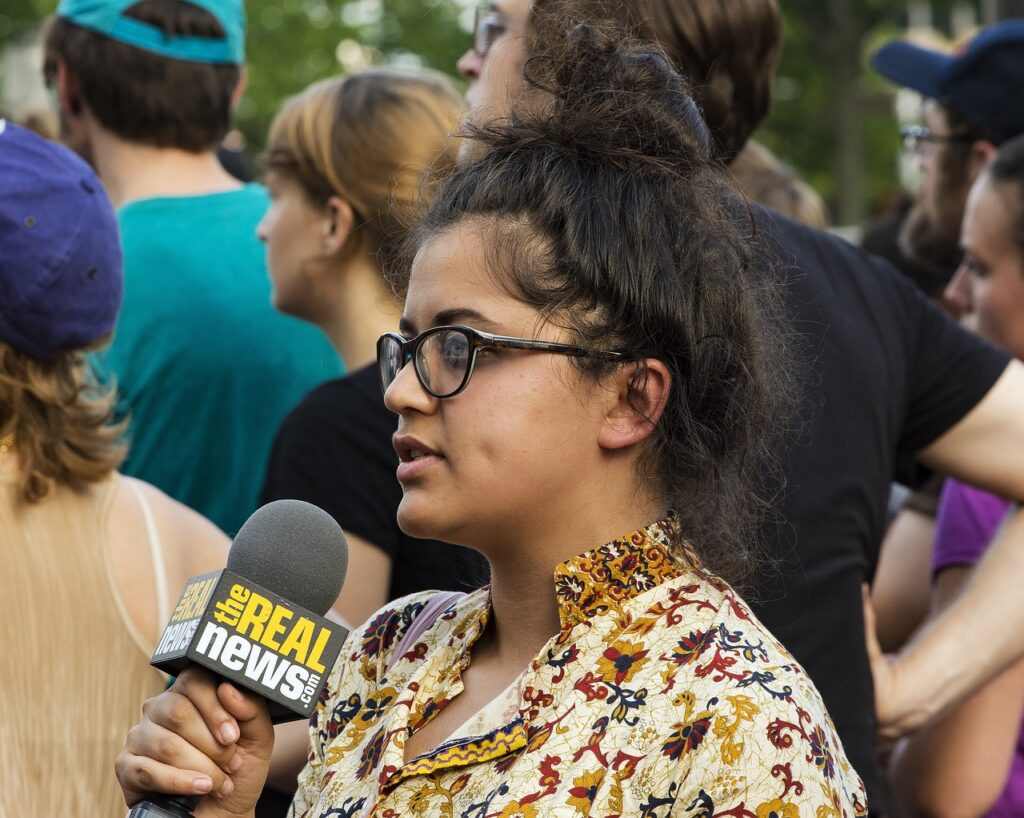
Career Paths and Job Titles in Journalism
Journalism offers a wide range of career paths, each requiring different skills, experience levels, and offering opportunities in various job markets. Below is an overview of common journalism roles:
Reporter / Correspondent
Reporters gather, investigate, and present news stories for newspapers, magazines, online outlets, television, or radio. Correspondents often cover specific regions or beats, such as politics, health, or education.
Biggest Job Markets:
- Major metropolitan areas with large media outlets (New York, Los Angeles, Washington D.C., Chicago)
- International news hubs (London, Brussels, Tokyo)
Skills Needed:
- Strong writing and reporting skills
- Research and fact-checking abilities
- Interviewing and communication skills
- Ability to work under tight deadlines
- Multimedia and digital skills for online reporting
Experience Level:
- Entry-level reporters may start as interns or junior reporters
- 1–3 years of experience or a strong portfolio is typically needed to land a full-time role
Editor / Copy Editor
Editors review, revise, and approve content to ensure accuracy, clarity, grammar, and adherence to style guides. They may oversee reporting teams, assign stories, and manage publication schedules.
Biggest Job Markets:
- Large media companies in major cities (New York, Washington D.C., Los Angeles)
- Digital media hubs and publishing houses
Skills Needed:
- Excellent grammar, editing, and proofreading skills
- Strong attention to detail
- Leadership and team management skills
- Knowledge of style guides (AP, Chicago, MLA)
- Familiarity with digital publishing tools
Experience Level:
- Typically requires 2–5 years of experience in reporting or editorial work
- Entry-level editorial assistants can move up with a strong portfolio and editing skills
News Anchor / Broadcaster
News anchors present news stories on television, radio, or online broadcasts. They often write scripts, conduct interviews, and engage with live audiences.
Biggest Job Markets:
- Media centers with television networks (New York, Los Angeles, Chicago, Atlanta)
- Local and regional broadcast markets nationwide
Skills Needed:
- Clear and confident on-air presentation
- Strong verbal communication and interviewing skills
- Scriptwriting and storyboarding
- Knowledge of broadcast technology and teleprompters
- Ability to handle breaking news under pressure
Experience Level:
- Typically requires 3–5 years of on-camera or reporting experience
- Entry-level opportunities include reporter or weekend anchor roles
Investigative Journalist
Investigative journalists dig deep into complex topics, uncover corruption, misconduct, or hidden stories, and produce detailed reports that hold individuals or organizations accountable.
Biggest Job Markets:
- Major metropolitan areas with large media organizations (Washington D.C., New York, Los Angeles)
- Investigative non-profits and national outlets
Skills Needed:
- Advanced research and investigative skills
- Data analysis and fact-checking
- Persistence and critical thinking
- Excellent writing and storytelling ability
- Knowledge of legal and ethical reporting standards
Experience Level:
- Typically requires 5+ years of reporting experience
- Strong portfolio of investigative work is essential
Photojournalist / Videographer
Photojournalists and videographers capture images and video footage to tell news stories visually. They may cover breaking news, events, or human-interest stories.
Biggest Job Markets:
- Large cities with media organizations (New York, Los Angeles, Chicago)
- Freelance opportunities worldwide, especially for international news
Skills Needed:
- Photography and videography skills
- Editing and post-production software proficiency
- Visual storytelling and composition
- Ability to work under pressure and in diverse environments
Experience Level:
- Entry-level positions may require a strong portfolio from internships or freelance work
- 1–3 years of professional experience needed for staff roles
Multimedia / Digital Journalist
Multimedia journalists create content that integrates text, video, audio, and interactive graphics for digital platforms. They often manage social media channels and engage online audiences.
Biggest Job Markets:
- Digital media hubs (New York, San Francisco, Los Angeles)
- News websites and online-only publications
Skills Needed:
- Writing and multimedia storytelling
- Video/audio editing and graphic design
- Social media management
- SEO and analytics knowledge
- Adaptability to emerging digital platforms
Experience Level:
- 1–3 years of experience in digital media or reporting
- Portfolio showcasing multimedia content is crucial
Freelance Journalism Opportunities
Freelance journalists work independently, pitching stories to various publications or creating content for online outlets. This path offers flexibility but requires self-promotion and consistent quality work.
Biggest Job Markets:
- Anywhere with internet access; major media hubs provide more pitching opportunities
- International freelance opportunities for travel, lifestyle, or investigative stories
Skills Needed:
- Strong writing and pitching skills
- Time management and self-discipline
- Networking and marketing skills
- Ability to adapt to multiple styles and platforms
- Multimedia skills are a plus
Experience Level:
- Can start immediately with a strong portfolio
- Experience helps in establishing credibility and securing higher-paying assignments
Journalism Careers Salaries
Understanding the salary ranges for various journalism careers is important when considering your education and career goals. Salaries for journalism professionals can vary widely depending on factors such as the level of education and experience, geographic location, and the type of media organization.
Salary Ranges for Various Journalism Careers
Journalism careers can offer a wide range of salaries, depending on the specific role and industry. For example, entry-level reporters may earn a modest salary, while experienced journalists and editors at well-established media outlets may command higher salaries. Additionally, public relations and marketing professionals may also see varying salary ranges depending on their level of expertise and the organizations they work for.

Salary Negotiation Tips and Strategies for Journalism Professionals
Negotiating your salary is an important aspect of pursuing a journalism career. To ensure you receive a fair salary offer, consider the following tips and strategies:
- Research the salary ranges for your desired role and location, taking into account factors such as education, experience, and industry trends.
- Know your worth and be prepared to present evidence of your skills, accomplishments, and value to the organization.
- Practice your negotiation skills and be prepared to articulate your salary expectations in a clear, concise, and professional manner.
- Be willing to compromise and consider factors such as benefits, flexible work arrangements, or opportunities for professional development in addition to salary.
By staying informed about industry trends, understanding your worth, and honing your negotiation skills, you can increase your chances of securing a salary that reflects your skills and experience in the journalism field.
Challenges and Rewards of a Journalism Career
A career in journalism can be both highly rewarding and demanding. Understanding the challenges and rewards of the field can help aspiring journalists set realistic expectations and prepare for success.
Common Challenges
- Tight Deadlines: Journalists often work under intense time pressure, especially in breaking news environments. The ability to produce accurate and engaging content quickly is essential.
- Job Insecurity: Media industry shifts, layoffs, and budget cuts can create uncertainty. Freelance journalists, in particular, may face inconsistent income.
- Ethical Dilemmas: Journalists frequently encounter situations that require balancing objectivity, privacy, and public interest. Maintaining integrity is critical.
Rewards
- Impact on Society: Journalism informs the public, shapes opinions, and holds institutions accountable. Many journalists find fulfillment in making a tangible difference.
- Storytelling Opportunities: Telling meaningful stories, whether through text, photos, or multimedia, allows journalists to engage and inspire audiences.
- Career Growth: Opportunities exist to specialize in investigative reporting, multimedia journalism, editing, or even leadership roles in media organizations.
Work-Life Balance Considerations
- Journalism can be demanding, with irregular hours, weekend work, and on-call responsibilities.
- Freelance roles offer flexibility but may require self-discipline to maintain steady workloads.
- Balancing personal time with career demands is crucial for long-term success and well-being.
Tips for Breaking Into Journalism
Breaking into journalism requires strategy, persistence, and proactive skill-building. Here are practical tips to help you start your career:
Building a Strong Portfolio and Resume
- Include writing samples, published articles, multimedia projects, or investigative pieces.
- Highlight internships, freelance work, and any relevant coursework or certifications.
- Tailor your resume and portfolio to the type of journalism you want to pursue.
Networking and Professional Associations
Join professional journalism organizations such as:
- Society of Professional Journalists (SPJ)
- National Association of Hispanic Journalists (NAHJ)
- Online News Association (ONA)
Staying Current with Industry Trends
- Follow major news outlets, journalism blogs, and trade publications to understand the evolving media landscape.
- Learn emerging tools and technologies for digital reporting, multimedia storytelling, and data journalism.
Leveraging Social Media and Personal Branding
- Maintain professional social media profiles to share work and engage with audiences.
- Use platforms like LinkedIn, Twitter/X, or a personal website to showcase your portfolio.
- Personal branding helps establish credibility and can attract freelance opportunities or job offers.
FAQ About a Career in Journalism
1. What does a journalist do?
Journalists research, investigate, and report news and stories to the public. Their work can include writing articles, conducting interviews, producing multimedia content, and verifying facts. The goal is to inform, educate, and sometimes influence public opinion.
2. What skills are needed to become a journalist?
Key skills include strong writing and editing abilities, research and investigative skills, critical thinking, communication, interviewing, digital literacy, and adaptability. Time management and ethical judgment are also crucial.
3. Do I need a degree to become a journalist?
While many journalists have a bachelor’s degree in journalism, communications, or a related field, it’s not always required. Alternative paths include certificates, online courses, bootcamps, internships, freelance work, or building a strong personal portfolio.
4. What types of journalism careers are available?
Careers include print journalism (newspapers, magazines), broadcast journalism (TV, radio, podcasts), digital journalism (online news, multimedia reporting), investigative journalism, and specialty fields like sports, political, or science journalism. Freelancing is also a common path.
5: How much do journalists make?
Salaries vary by experience, location, and medium. Entry-level journalists may earn less, while experienced reporters, editors, or broadcasters can earn higher salaries. Freelancers’ income can fluctuate depending on assignments and clients.
6. Is journalism a stable career?
Journalism can be competitive and fast-paced. While some positions are stable, others—especially freelance roles—may have variable income. Digital and multimedia skills can improve job prospects and stability.
7. How can I gain experience as a journalist?
Internships, contributing to student newspapers or blogs, freelance writing, and creating your own portfolio are excellent ways to gain experience. Networking and joining journalism associations can also help.
8. What are the biggest challenges in journalism?
Tight deadlines, high-pressure work environments, ethical dilemmas, exposure to sensitive topics, and job market competition are common challenges. However, many find the work rewarding due to its societal impact and storytelling opportunities.
9. Can I work as a journalist remotely?
Yes. Many digital journalism roles, freelance reporting, and content creation jobs can be done remotely, especially with online news platforms and multimedia reporting tools.
10. How do I get started in a journalism career?
Start by building your skills through education or training, gain practical experience via internships or freelance work, develop a strong portfolio, network with professionals, and stay up-to-date with industry trends and digital tools.
Your Journalism Adventure Awaits
Embarking on a rewarding career in journalism requires a strategic approach to education and skill development. By exploring different types of journalism careers, honing your skills, and pursuing the right educational pathways, you can achieve your aspirations in this dynamic field. Pathways to Advancement offers valuable resources and expert guidance to support your education and career planning, empowering you to make well-informed decisions. Don’t hesitate to connect with professionals in the journalism field for insights and advice as you embark on your exciting journalism adventure. Start exploring your opportunities at Pathways to Advancement today!