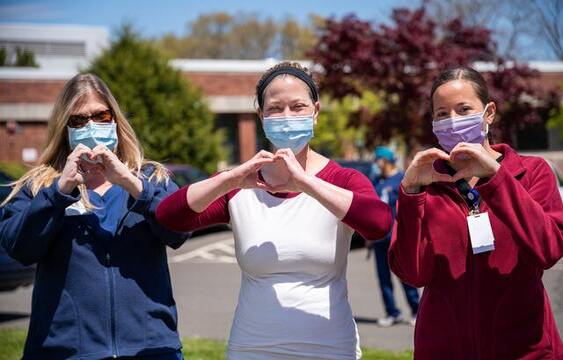
Are you a nurse who thrives under pressure, has a passion for patient care, and is ready to take your nursing career to the next level? If so, becoming a CRNA (Certified Registered Nurse Anesthetist) might be the perfect path for you. CRNAs are highly trained nursing professionals who specialize in providing anesthesia and pain management during surgical, diagnostic, and obstetric procedures.
In this guide, we’ll walk you through everything you need to know about how to become a CRNA, from the education and experience you’ll need to the certification process and job outlook. Whether you’re a current nursing student or an experienced RN considering advanced practice, this step-by-step overview will help you plan your journey toward one of the most respected and rewarding roles in healthcare.
What Does a CRNA Do?
Certified Registered Nurse Anesthetists (CRNAs) are advanced practice registered nurses (APRNs) who specialize in administering anesthesia and providing pain management across a wide range of medical procedures. Their role is vital to ensuring patient safety and comfort before, during, and after surgery or other complex treatments.
Core Responsibilities of a CRNA
- Performing pre-anesthesia assessments to evaluate a patient’s health status and medical history
- Developing and implementing individualized anesthesia care plans
- Administering various types of anesthesia, including general, regional, and local
- Monitoring patients’ vital signs and adjusting anesthesia levels during procedures
- Providing post-anesthesia care and monitoring patients during recovery
- Collaborating with surgeons, anesthesiologists, and other healthcare professionals
CRNAs often take full responsibility for the anesthesia process, from preparation to recovery, especially in rural or underserved areas where they may be the sole anesthesia provider.
Typical Procedures and Patient Care Tasks
CRNAs are involved in a wide array of procedures, including:
- General surgeries (orthopedic, cardiovascular, gastrointestinal)
- Labor and delivery (including epidural administration)
- Diagnostic procedures (endoscopies, imaging-guided biopsies)
- Trauma and emergency interventions
- Pain control for both acute and chronic conditions
They are trained to respond quickly in high-pressure situations, making critical decisions about patient care on the spot.
How CRNAs Differ from Anesthesiologists and Other Advanced Practice Nurses
While CRNAs and anesthesiologists often perform similar functions, there are some key differences:
- CRNAs are nurses, while anesthesiologists are physicians who complete medical school and a residency in anesthesiology.
- CRNAs generally work independently or under the supervision of anesthesiologists, depending on state laws and hospital policies. In many states, CRNAs have full practice authority.
- Compared to other APRNs like nurse practitioners or nurse midwives, CRNAs undergo highly specialized training focused exclusively on anesthesia and critical care.
👉 Explore online programs in nursing →
CRNA Education Requirements at a Glance
Becoming a Certified Registered Nurse Anesthetist (CRNA) requires a rigorous academic and clinical pathway. As of January 1, 2025, all new CRNAs must hold a Doctor of Nursing Practice (DNP) or a Doctor of Nurse Anesthesia Practice (DNAP) degree to be eligible for certification.
Educational Milestones
- Bachelor’s Degree
- Bachelor of Science in Nursing (BSN) or a related field
- Alternate option: Accelerated BSN (ABSN) for non-nursing degree holders
- Bachelor of Science in Nursing (BSN) or a related field
- Registered Nurse (RN) Licensure
- Pass the NCLEX-RN
- Obtain licensure through your state board of nursing
- Pass the NCLEX-RN
- Critical Care Nursing Experience
- Typically 1–3 years in an ICU or similar acute care setting
- Demonstrates clinical competence under pressure
- Typically 1–3 years in an ICU or similar acute care setting
- Graduate-Level Education
- Doctoral degree (DNP or DNAP) from an accredited nurse anesthesia program
- Programs include didactic coursework, clinical training, and simulation labs
- Typically 3 years full-time
- Doctoral degree (DNP or DNAP) from an accredited nurse anesthesia program
- National Certification Exam
- Administered by the National Board of Certification and Recertification for Nurse Anesthetists (NBCRNA)
Alternate Pathways to Becoming a CRNA
If you don’t hold a BSN, you can still pursue a CRNA career by taking one of these alternative routes:
- Non-nursing bachelor’s degree → Accelerated BSN (ABSN) → RN license → CRNA doctoral program
- Associate Degree in Nursing (ADN) → RN → RN-to-BSN bridge program → CRNA doctoral program
These pathways may add time to your overall journey, but they offer flexibility for career changers or those with varying educational backgrounds.
What Makes CRNA Programs So Competitive?
Certified Registered Nurse Anesthetist programs are among the most competitive graduate nursing programs in healthcare. Many nurse anesthesia programs receive hundreds of applications for a relatively small number of seats each year, making academic preparation, ICU experience, and clinical readiness extremely important. Several factors contribute to the competitiveness of CRNA programs:
Limited Program Capacity
Nurse anesthesia programs require extensive clinical training, simulation labs, and specialized faculty oversight. Because of this, many schools intentionally keep cohort sizes small to maintain educational quality and ensure students receive sufficient hands-on experience.
Some programs may only admit 20–40 students annually despite receiving several hundred applications.
High Academic Expectations
Most admitted CRNA students have strong academic backgrounds. Competitive applicants often have:
- GPAs above 3.3–3.5
- Strong science grades
- Advanced coursework in chemistry, physiology, or statistics
- CCRN certification
- High-level ICU experience
While minimum admissions requirements may appear lower on paper, accepted applicants frequently exceed those minimums.
ICU Experience Matters More Than Many Applicants Realize
Not all nursing experience is viewed equally in CRNA admissions.
Programs strongly prefer applicants with experience managing critically ill patients in high-acuity environments such as:
- Cardiovascular ICU (CVICU)
- Surgical ICU (SICU)
- Medical ICU (MICU)
- Trauma ICU
- Neuro ICU
Applicants who regularly manage ventilators, titrate vasoactive medications, interpret hemodynamic data, and respond to emergencies are often considered more competitive.
Shadowing and Career Understanding Are Important
Many CRNA programs want to see evidence that applicants fully understand the profession before committing to the career path.
Shadowing a CRNA demonstrates initiative and helps applicants speak more confidently during interviews and personal statements. Some programs even require documented shadowing hours.
Interviews Are Often a Major Factor
CRNA interviews can be academically and professionally demanding. Programs may ask applicants:
- ICU scenario questions
- Pharmacology questions
- Hemodynamic management questions
- Ethical decision-making questions
- Behavioral interview questions
Strong communication skills, emotional maturity, and clinical confidence often matter just as much as academic performance.
How to Become a More Competitive CRNA Applicant
Students and nurses who want to improve their chances of admission often focus on:
- Earning strong ICU experience
- Obtaining CCRN certification
- Improving science GPA
- Shadowing CRNAs
- Taking graduate-level science courses
- Building leadership experience
- Preparing extensively for interviews
Because CRNA admissions are highly selective, many successful applicants spend several years strengthening their resumes before gaining acceptance.
Step-by-Step: How to Become a CRNA
Becoming a Certified Registered Nurse Anesthetist (CRNA) is a multi-step journey that requires advanced education, clinical experience, and national certification. Here’s a detailed look at each step in the process:
Step 1a: Earn a Bachelor of Science in Nursing (BSN)
The first step toward becoming a CRNA is earning a Bachelor of Science in Nursing (BSN) from an accredited nursing program. Getting into a BSN program can be competitive, so it’s important to understand the typical admissions criteria and how to strengthen your application.
Step 1b: Alternate Pathways – Earn an ABSN
If you already have a non-nursing bachelor’s degree, consider an Accelerated BSN (ABSN) program. These fast-track programs typically take 12–18 months and allow career changers to become RNs more quickly.
Step 2: Become a Licensed Registered Nurse (RN)
After earning your BSN, you must pass the NCLEX-RN (National Council Licensure Examination) to become a licensed registered nurse.
Licensing Process:
Once you pass the NCLEX, you’ll apply for licensure through your state’s board of nursing, which may include background checks or additional paperwork. You’ll need to maintain this RN license throughout your career, including while enrolled in CRNA school.
Step 3: Gain Experience in Critical Care Nursing
CRNA programs require a minimum of one year of full-time experience (or its part-time equivalent) in an intensive care unit (ICU) or similar critical care setting.
Acceptable ICU Settings May Include:
- Surgical ICU (SICU)
- Medical ICU (MICU)
- Cardiothoracic ICU (CVICU)
- Neuro ICU
- Pediatric or Neonatal ICU (for pediatric-focused programs)
Why It’s Important:
This hands-on ICU experience is critical for developing the decision-making, assessment, and technical skills required for anesthesia practice. Most successful applicants have 2–3 years of experience to remain competitive.
Step 4: Apply to a Nurse Anesthesia Program (Doctorate-Level)
As of 2025, all nurse anesthesia programs award a doctorate degree, either the Doctor of Nursing Practice (DNP) or Doctor of Nurse Anesthesia Practice (DNAP).
Program Admission Requirements Typically Include:
- BSN from an accredited program
- Unencumbered RN license
- 1–2 years of critical care experience
- GRE scores (varies by program)
- Letters of recommendation
- Personal statement and/or interview
Tips for a Strong Application:
- Maintain a competitive GPA (3.3 or higher)
- Take the GRE early if required
- Shadow a CRNA and mention it in your personal statement
- Attend program info sessions to show interest and prepare for interviews
Step 5: Complete a Doctoral CRNA Program
CRNA programs typically last 3 years and combine rigorous academic coursework with extensive clinical training.
What to Expect:
- Coursework: Advanced pharmacology, pathophysiology, anesthesia principles, patient safety, and evidence-based practice
- Simulation Labs: High-fidelity simulations to build confidence before working on patients
- Clinical Rotations: Over 2,000 hours of supervised clinical practice in various anesthesia settings (obstetric, cardiac, pediatric, and trauma)
Graduating from an accredited doctoral program makes you eligible to take the certification exam and begin your CRNA career.
Step 6: Pass the National Certification Exam (NCE)
Once you complete your CRNA program, you’ll need to pass the National Certification Exam (NCE) administered by the National Board of Certification and Recertification for Nurse Anesthetists (NBCRNA).
Exam Overview:
- Computer-based exam with 100–170 multiple-choice questions
- Covers anesthesia sciences, equipment, pharmacology, and clinical case management
- An adaptive format that adjusts questions based on performance
Preparation Tips:
- Start reviewing early with practice questions and review courses
- Use resources recommended by your program and preceptors
- Take advantage of NBCRNA prep tools and simulation tests
Step 7: Obtain State Licensure and Begin Practice
After passing the NCE, you’ll need to apply for CRNA licensure in the state where you plan to practice. Each state has its own requirements, so check with your State Board of Nursing for exact steps.
Maintaining Licensure:
- Complete continuing education credits as required
- Participate in the NBCRNA Continued Professional Certification (CPC) Program, which includes ongoing education, assessments, and skills verification every 4-year cycle
- Stay up to date with changing practice standards and state laws
👉 Find online programs in nursing →
Best Undergraduate Majors for Future CRNAs
For most students, the most direct educational pathway is earning a Bachelor of Science in Nursing (BSN). However, some undergraduate backgrounds may better prepare students for the rigorous science-heavy curriculum found in CRNA programs.
Strong undergraduate preparation often includes coursework in:
- Anatomy and physiology
- Chemistry
- Organic chemistry
- Pharmacology
- Pathophysiology
- Statistics
- Microbiology
Common undergraduate pathways include:
Traditional BSN Programs
This is the most common and straightforward route into CRNA school. Traditional BSN programs provide foundational nursing education, clinical rotations, and preparation for RN licensure.
Accelerated BSN (ABSN) Programs
Career changers with a prior bachelor’s degree often pursue accelerated BSN programs before entering critical care nursing. Many successful CRNA applicants come from previous careers in biology, healthcare, engineering, or other science-related fields.
STEM or Science Backgrounds
Applicants with strong science or quantitative backgrounds sometimes perform well in CRNA prerequisites and graduate coursework because of their familiarity with advanced scientific concepts and analytical thinking.
Examples of useful prior degrees may include:
- Biology
- Chemistry
- Exercise science
- Biomedical sciences
- Health sciences
Regardless of undergraduate major, CRNA programs ultimately place heavy emphasis on ICU experience, academic performance, and clinical competency.
Skills and Traits of Successful CRNAs
CRNAs operate in high-stakes medical environments and are entrusted with critical patient care decisions. To thrive in this role, candidates should possess a combination of technical skills and soft traits:
- Attention to Detail
Precise dosing, patient monitoring, and adherence to protocols are vital for patient safety. - Strong Communication and Leadership Skills
CRNAs collaborate with surgeons, anesthesiologists, and healthcare teams, often leading the anesthesia plan. - Ability to Work Under Pressure
Surgical environments can be unpredictable. CRNAs must remain calm and focused, especially in emergencies. - Critical Thinking and Decision-Making
Quick, evidence-based decisions can mean the difference between life and death during procedures.
These skills are often refined throughout a CRNA program, but a strong foundation is essential before entering graduate-level training.
CRNA Salary and Job Outlook
Average CRNA Salary (National and by State)
Certified Registered Nurse Anesthetists (CRNAs) are among the highest-paid nursing professionals in the United States. As of 2025:
- National Average Salary: Approximately $200,000 per year, with entry-level positions starting around $155,000, and experienced CRNAs earning over $260,000 annually, especially in specialized or high-demand fields.
- Top-Paying States:
- Illinois: Mean annual salary of $281,240
- California: Over $250,000 annually
- New York: Salaries vary by region, with areas like Albany-Schenectady-Troy offering up to $237,940
- Louisiana: Approximately $218,770
- Illinois: Mean annual salary of $281,240
Factors Influencing Earning Potential
Several factors can impact a CRNA’s salary:
- Experience: More years in practice often correlate with higher earnings.
- Specialization: Fields like cardiac, pediatric, and pain management anesthesia tend to offer higher compensation.
- Work Setting: Outpatient care centers and surgical hospitals often pay more than general medical and surgical hospitals.
- Geographic Location: Urban areas and states with higher living costs typically offer higher salaries.
- Employment Type: Locum tenens positions can command premium rates, with some CRNAs earning over $350,000 annually.
Employment Growth Projections
The demand for CRNAs is projected to grow significantly:
- National Growth: Employment for nurse anesthetists is expected to increase by 40% by 2033, much faster than the average for all occupations .
- Annual Openings: Approximately 31,900 openings for nurse anesthetists, nurse midwives, and nurse practitioners are projected each year, on average, over the decade.
High-Demand Areas and Specialties
CRNAs are in high demand across various regions and nurse specialties:
- High-demand states, including Pennsylvania, Georgia, Illinois, Virginia, and New York, offer numerous opportunities with competitive compensation.
- Specialties: Cardiac, pediatric, and pain management anesthesia are among the most sought-after nursing specialties, often associated with higher salaries and job security.
Continuing Education and Recertification
Maintaining certification and clinical competence is essential for CRNAs.
Ongoing Learning Requirements
CRNAs must engage in continuous professional development to ensure high standards of practice.
- Minimum Continuing Education: Completion of 100 continuing education (CE) credits every four years.
- Credit Breakdown:
- 60 Class A Credits: These are assessed and approved CE activities directly related to nurse anesthesia practice.
- 40 Class B Credits: These can be any CE activities relevant to nurse anesthesia, without prior approval.
- 60 Class A Credits: These are assessed and approved CE activities directly related to nurse anesthesia practice.
CPC Program (Continued Professional Certification)
The National Board of Certification and Recertification for Nurse Anesthetists (NBCRNA) oversees the Continued Professional Certification (CPC) program:
- Core Modules: CRNAs must complete CPC Core Modules as part of their recertification process.
- Compliance: The CPC program is designed to meet the Advanced Practice Registered Nurse (APRN) regulatory requirements of every state Board of Nursing.
Maintaining Certification and Clinical Competence
To stay certified and maintain clinical competence:
- Regular CE Engagement: CRNAs should proactively seek and complete CE activities throughout the four-year cycle.
- Documentation: Accurate record-keeping of all CE activities is essential for audit purposes.
- Clinical Practice: Active involvement in clinical practice ensures the application of knowledge and skills, reinforcing competence.
A Day in the Life of a CRNA
While responsibilities vary depending on the healthcare setting and specialty, most CRNAs spend their day managing anesthesia care before, during, and after medical procedures.
A typical day may begin early in the morning with reviewing patient charts, evaluating medical histories, and preparing anesthesia plans for scheduled surgeries. CRNAs assess factors such as allergies, medications, airway risks, and underlying health conditions to ensure patient safety.
During procedures, CRNAs continuously monitor patients’:
- Heart rate
- Blood pressure
- Oxygen levels
- Ventilation
- Response to anesthesia
They may adjust anesthesia medications in real time while collaborating closely with surgeons, anesthesiologists, nurses, and surgical teams.
Depending on the work environment, CRNAs may assist with:
- Emergency surgeries
- Trauma response
- Labor and delivery epidurals
- Outpatient surgical procedures
- Pain management treatments
The pace can vary significantly. Some outpatient surgery centers operate on predictable daytime schedules, while hospital-based CRNAs may work nights, weekends, holidays, or on-call shifts.
Although the role can be high-pressure, many CRNAs report strong job satisfaction because of the combination of advanced clinical responsibility, patient impact, autonomy, and compensation.
Common Challenges CRNA Students Face
CRNA school is widely considered one of the most demanding advanced nursing education pathways. Understanding the challenges ahead can help students prepare mentally, academically, and financially before applying.
Intense Academic Workload
CRNA students complete advanced coursework in:
- Pharmacology
- Physiology
- Pathophysiology
- Chemistry
- Anesthesia principles
- Advanced health assessment
Many students describe the pace as significantly more rigorous than undergraduate nursing education.
Clinical Pressure and Long Hours
Clinical rotations require students to manage anesthesia care in real patient situations under supervision. Long clinical shifts, overnight preparation, and early-morning schedules can create physical and mental fatigue.
Financial Stress
Because CRNA programs are typically full-time and highly demanding, many students reduce work hours or stop working entirely during school.
Students often need to budget for:
- Tuition
- Living expenses
- Clinical travel
- Licensing fees
- Certification exam costs
This financial pressure can be significant, especially during multi-year doctoral programs.
Balancing Personal Responsibilities
Students with families or caregiving responsibilities may struggle with time management during CRNA school. Maintaining work-life balance can become difficult during intense clinical periods.
Imposter Syndrome and Performance Anxiety
Many CRNA students experience periods of self-doubt, especially during challenging clinical rotations or high-pressure situations. Developing confidence and clinical decision-making skills often takes time and repetition.
Despite these challenges, many graduates describe CRNA school as highly rewarding and worthwhile because of the long-term career opportunities and professional autonomy the field offers.
Is a Career as a CRNA Right for You?
Becoming a CRNA is a significant commitment, both in time and effort, but it can be an incredibly fulfilling career for those who are passionate about patient care, thrive in high-stakes environments, and are ready to take on advanced clinical responsibilities.
Lifestyle and Work-Life Balance of a CRNA
CRNAs often work long hours, overnight shifts, or are on call, depending on their setting. While some work regular business hours in outpatient centers or pain clinics, others work in hospitals that require 24/7 coverage. However, many CRNAs report high levels of career satisfaction, and some positions offer flexible scheduling or part-time opportunities.
Questions to Ask Yourself Before Pursuing This Path
Not all CRNA programs are structured the same way. Before applying, prospective students should carefully evaluate each program’s curriculum, clinical opportunities, support systems, and outcomes. Important questions to consider include:
Is the Program Accredited?
Students should verify that the program is accredited by the Council on Accreditation of Nurse Anesthesia Educational Programs (COA). Graduating from an accredited program is required for certification eligibility.
What Are the Clinical Rotation Opportunities?
Strong clinical training is one of the most important parts of CRNA education. Applicants should research whether students receive exposure to:
- Cardiac anesthesia
- Pediatric anesthesia
- Trauma cases
- Regional anesthesia
- Obstetric anesthesia
What Is the Board Exam Pass Rate?
Programs with consistently strong first-time certification exam pass rates may indicate strong academic preparation and student support.
What Is the Attrition Rate?
High attrition rates can sometimes indicate insufficient support, unrealistic expectations, or program culture concerns.
Are Students Allowed to Work During the Program?
Many programs discourage or prohibit outside employment because of the demanding workload. Understanding these expectations beforehand is important for financial planning.
What Support Resources Are Available?
Some programs offer:
- Mentorship
- Academic tutoring
- Wellness support
- Simulation training
- Interview preparation
These resources can significantly improve the student experience.
Choosing the right CRNA program involves more than simply selecting the lowest tuition or closest location. Clinical quality, culture, support, and long-term career preparation all matter.
FAQs About Becoming a CRNA
How long does it take to become a CRNA?
Typically, it takes about 7 to 8 years to become a CRNA after high school. This includes completing a bachelor’s degree (usually 4 years), gaining 1–3 years of critical care nursing experience, and then completing a 3-year doctoral nurse anesthesia program (DNP or DNAP).
Can I become a CRNA without a BSN?
While a Bachelor of Science in Nursing (BSN) is the most common route, you can become a CRNA without a BSN if you have a non-nursing bachelor’s degree by completing an Accelerated BSN (ABSN) program. Alternatively, some start with an Associate Degree in Nursing (ADN), then complete an RN-to-BSN bridge program before applying to a CRNA doctoral program.
Where Do CRNAs Work?
CRNAs work in a variety of healthcare settings that include hospitals, outpatient surgical centers, pain management clinics, dental offices, and military and VA hospitals.
Takeaways
Becoming a CRNA is a challenging yet rewarding journey that requires careful planning and commitment. The earlier you begin mapping out your educational and professional steps, the smoother your path will be. From choosing the right undergraduate program to gaining the right type of nursing experience, every decision you make can move you closer to your goal.
One of the best ways to determine whether this career is right for you is to shadow a working CRNA or schedule informational interviews with professionals in the field. This firsthand insight can help you better understand the realities of the job, what to expect in training, and whether the day-to-day responsibilities align with your interests and strengths.
Your future as a Certified Registered Nurse Anesthetist starts with taking that first step, whether it’s enrolling in a BSN program or simply reaching out to a mentor. With the right preparation and determination, a meaningful and impactful career in nurse anesthesia is well within reach.